• Skip to main content
  • Skip to footer

Friends of Arkansas Singletrack

FAST: Friends of Arkansas Singletrack

  • About
    • Who We Are
    • OZ MTB Patrol
    • FAST Leadership
  • News
  • Events
    • Weekly Wednesday Rides
    • FAST Beach Bash 2026
    • Loop de Loop Challenge 2026
  • Trails
    • Trail Conditions
    • Trail Maps
    • Route Library
    • Report a Trail Issue
  • Support
    • Join FAST
    • Volunteer with FAST
      • Volunteer Signup
    • Log Volunteer Hours
    • LuvTrails
    • Donate to FAST
  • Calendar
    • FAST Calendar
    • Natural State Adventure Calendar
  • Merch
  • Join
Articles

Articles

May 11 2026

How to Rake a Singletrack Trail

How to Rake a Singletrack Trail

A Practical Guide to Durable, Rideable Trail Maintenance
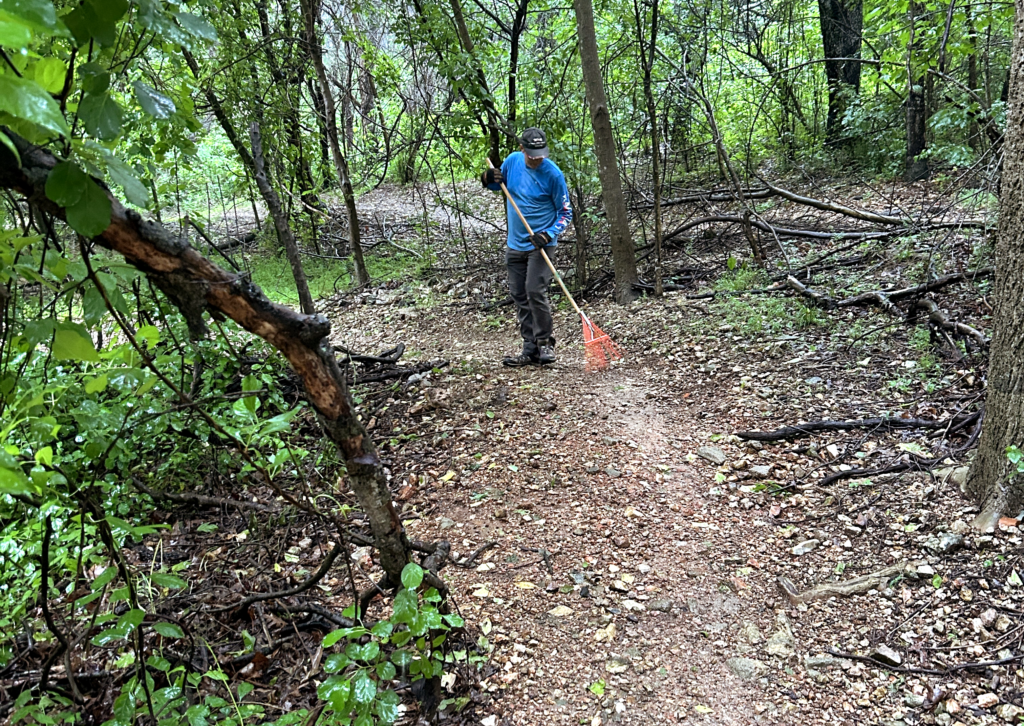
Maintaining singletrack trails is about more than making them look clean. Done correctly, raking improves drainage, durability, and ride quality while preserving the natural character of the trail. Done incorrectly, it can accelerate erosion and create more maintenance problems than it solves.

Good trail work is often almost invisible. The goal is not to create a manicured path, but to help the trail function naturally and hold up to weather and traffic over time.

The Purpose of Raking

The primary goal of raking is to expose firm mineral soil while preserving the trail’s intended structure and shape.

A properly maintained trail should have:

  • A clearly defined tread, typically 18–36 inches wide
  • Proper outslope of roughly 3–5%
  • Organic debris removed from the riding surface
  • A durable, natural-looking riding surface

The objective is not to flatten or reshape the trail unnecessarily. Instead, the goal is to maintain the trail’s original design and allow water to shed naturally.

Tools of the Trade

Different tools serve different purposes during trail maintenance.

McLeod

The McLeod is one of the most versatile trail tools available and is commonly used for:

  • Cutting and shaping tread
  • Raking loose material
  • Final finishing work

Flat Rake or Leaf Rake

These are best suited for:

  • Clearing leaves and organic debris
  • Light finishing work
  • Cleaning the trail surface without disturbing stable soil

Using the right tool helps minimize unnecessary disturbance to the trail.

Step-by-Step Technique

1. Define the Tread

Stay within the intended riding line and avoid widening the trail corridor. Riders naturally follow the most durable line available, so maintaining a clear tread helps keep traffic concentrated where it belongs.

2. Remove Surface Material

Rake leaves, loose dirt, and organic debris completely off the trail rather than piling it along the edges. Material left on the sides can wash back onto the tread during rain events.

3. Maintain Outslope

The trail tread should maintain a slight downhill tilt, typically around 3–5%, to encourage water to sheet across the trail instead of running down it. Avoid unintentionally creating bermed edges that trap water.

4. Manage the Backslope

Remove loose or unstable material from the backslope while leaving stable soil and vegetation intact. Overworking the backslope can destabilize the hillside and increase erosion.

5. Finish the Tread

Smooth the surface lightly while maintaining a natural appearance. Over-finishing can create an artificial look and may reduce traction.

Drainage: The Guiding Principle

Every rake stroke should answer one question:

Where will the water go?

A sustainable trail sheds water naturally. A poorly maintained trail channels water down the tread, leading to erosion, rutting, and premature trail damage.

Keeping drainage in mind during every stage of maintenance is the key to building and preserving durable singletrack.

Common Mistakes

Even well-intentioned maintenance can create problems when basic trail principles are ignored.

Common mistakes include:

  • Over-raking the trail surface
  • Flattening the natural tread shape
  • Unintentionally building downhill berms
  • Widening the trail tread
  • Over-clearing or destabilizing the backslope

In many cases, less disturbance produces better long-term results.

Final Takeaway

Raking singletrack is about restraint and intention. The best trail maintenance work often goes unnoticed because the trail still feels natural while riding significantly better and lasting longer.

When volunteers focus on preserving drainage, maintaining tread shape, and minimizing unnecessary disturbance, trails remain more sustainable, more durable, and more enjoyable for everyone who uses them.
Written by Friends of Arkansas Singletrack · Categorized: Trail Care

Mar 03 2026

Poison Hemlock Alert—Help Us Keep the Trails Safe

poison hemlock

🚨 Poison Hemlock Alert – Help Us Keep the Trails Safe 🚨

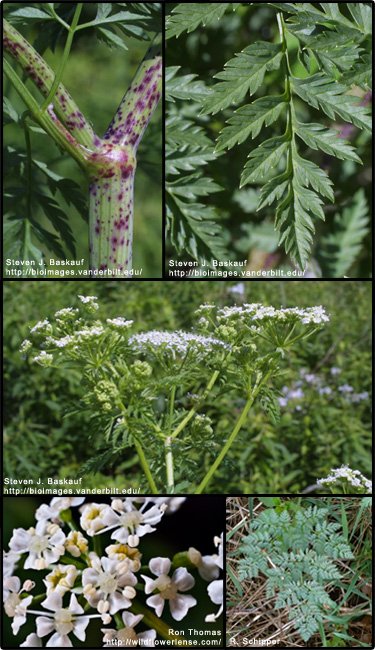
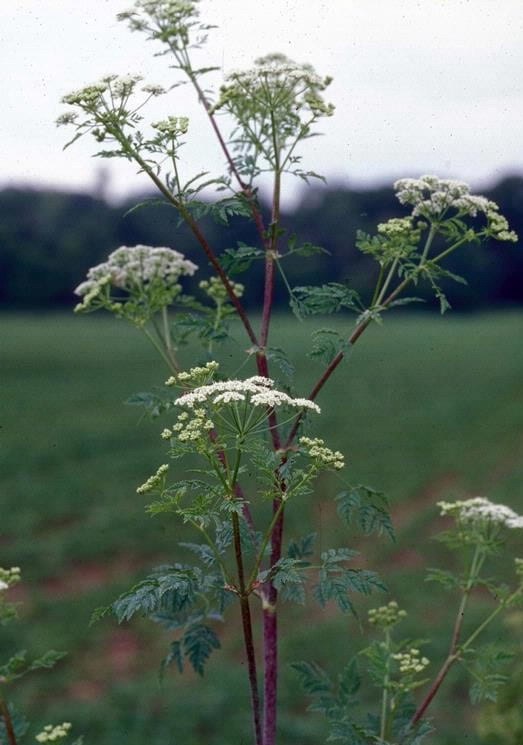
Poison hemlock has been spotted along sections of local trails. This plant is extremely toxic to humans and animals — even through skin contact or breathing in particles from disturbed plants. It’s critical that we stop it from spreading, and that it’s removed safely.

🔍 How to Identify Poison Hemlock:

identifying poison hemlock
  • Stems: Smooth, green, and marked with purple blotches or streaks (no hairs)
  • Leaves: Delicate, fern-like, and finely divided (resembles parsley or wild carrot)
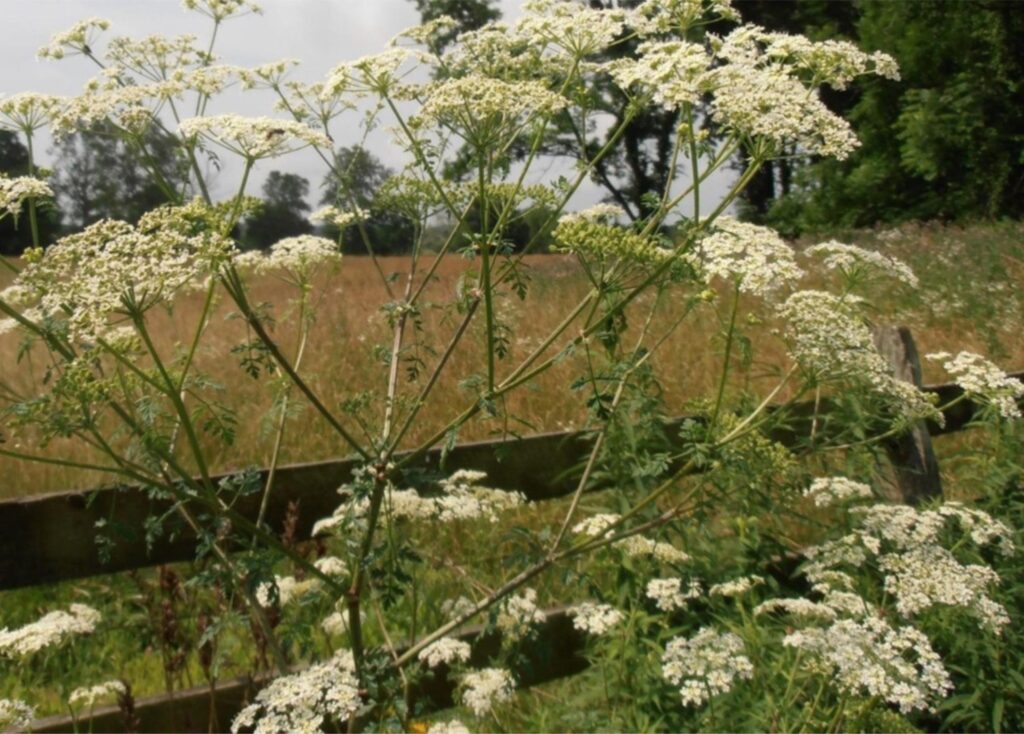
  • Flowers: White clusters arranged in an umbrella shape (blooming late spring/summer)
  • Height: Can reach 6–10 feet tall when mature
  • Found along trail edges, ditches, roadsides, and open disturbed soil

Do not touch or handle this plant unless you are properly protected. Even dried stalks remain toxic.

🧤 Safe Removal Guidelines:

  • Wear gloves, long sleeves, eye protection, and a mask
  • Remove when small — early in the season before it flowers
  • Dig out the entire taproot (at least 6–8 inches deep)
  • Do not shake off dirt — bag plants immediately in heavy-duty trash bags
  • Dispose in a landfill (never compost or leave in brush piles)
  • Never burn it — the smoke is dangerous
  • Do not mow or trim flowering or seeding plants — this spreads toxic debris and seeds
poison hemlock blooms

🛑 What Not to Do:

  • Don’t touch with bare hands
  • Don’t mow or weed-whack once it’s bolted or flowering
  • Don’t burn or compost
  • Don’t assume it’s harmless just because it looks like a wildflower

If you spot a patch of it, snap a photo from a safe distance and let us know where it is. Thanks for helping us protect the trails and everyone who uses them.

Learn more here.

#TrailSafety #PoisonHemlock #FASTtrails #knowbeforeyoupull

Written by Friends of Arkansas Singletrack (FAST) · Categorized: News and Events, Trail Care

Jan 01 2026

Winter Riding Tips: Understanding the Freeze-Thaw Cycle

Winter MTB

Hello, fellow trail lovers! Winter riding can be some of the best riding of the year—cool air, beautiful scenery, and quiet trails. But it’s also the time when our trails are most at risk of damage due to the freeze-thaw cycle.

What is Freeze-Thaw?

During freezing nights, the moisture in the ground turns to ice, expanding and breaking up the soil. As the day warms up and the ice melts, the soil becomes soft and muddy. Even without recent rain or snow, moisture in the ground can be drawn to the surface during sunny winter days, setting the stage for freeze-thaw conditions.

How to Ride Responsibly

The good news? You can still enjoy the trails if you ride at the right time and keep an eye on conditions:

👉 Ride when trails are either dry or frozen solid (like early morning after a hard freeze).

👉 If you notice mud sticking to your tires or see that you’re leaving ruts, it’s time to turn around. Trails can go from great to messy in minutes, so plan to finish before they thaw.

Why It Matters

Riding on soft trails during a freeze-thaw cycle causes deep ruts that harden and create long-lasting damage. Repairing these trails is time-intensive and takes valuable volunteer hours away from trail improvements.

What About Puddles?

If you come across a puddle, ride through it—not around it—to avoid widening the trail.

The Best Solution?

Bundle up, enjoy the crisp winter air, and hit the trails early while they’re still frozen. And if conditions change, be ready to adapt—switch to the road, gravel, or even a scenic hike to protect the trails for everyone.

By riding responsibly, we’re helping to preserve the trails we all love. Thanks for being awesome trail stewards and happy winter riding! 🚵

Written by Friends of Arkansas Singletrack · Categorized: Articles, Trail Care

Mar 31 2025

Time for Spring Trail Maintenance!

Now’s the Time for Spring Trail Maintenance! 🌱🚴‍♂️

trail maintenance

Early spring is the perfect time to get out and give the trails some much-needed attention before the growing season kicks into high gear. With the cooler weather and less vegetation to battle, it’s an ideal window to focus on:

✅ Clearing Debris – Rake off leaves, sticks, and loose sediment that have built up over the winter. A clean tread means better drainage and fewer erosion issues down the road.

✅ Tread Repair – Winter runoff can leave behind ruts, washouts, and soft spots. Now’s the time to reestablish a solid tread and fix any erosion damage.

✅ Drainage Checks – Ensure drains, grade reversals, and rolling dips are clear and working properly. Good drainage now prevents muddy messes later.

By knocking out these tasks early, we can shift focus to weed whacking and vegetation control as spring fully sets in—keeping trails fast, fun, and sustainable all season long.

Grab a rake, a rogue hoe, or just your riding buddies, and let’s get to work! 💪🚵‍♀️

Written by Friends of Arkansas Singletrack · Categorized: Articles, Trail Care

Footer

FAST Logo
FAST MTB Association
PO Box 48
BENTONVILLE, AR 72712
FAST is a chapter of IMBA
  • FAST | Friends of Arkansas Singletrack
  • Buy This Theme