How to Rake a Singletrack Trail
A Practical Guide to Durable, Rideable Trail Maintenance
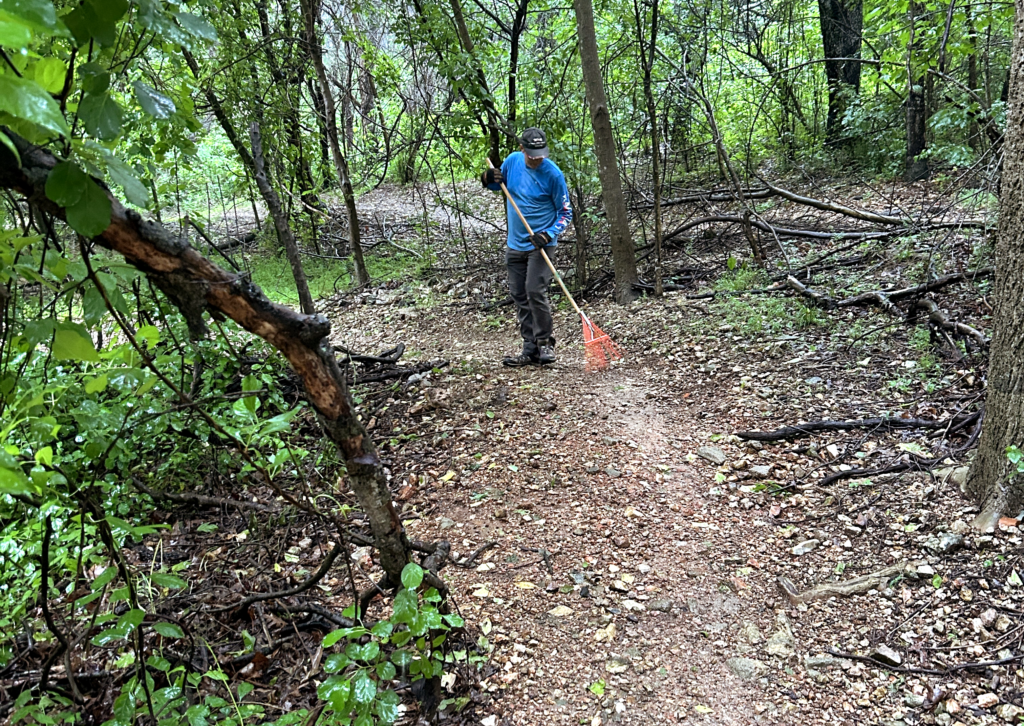
Maintaining singletrack trails is about more than making them look clean. Done correctly, raking improves drainage, durability, and ride quality while preserving the natural character of the trail. Done incorrectly, it can accelerate erosion and create more maintenance problems than it solves.
Good trail work is often almost invisible. The goal is not to create a manicured path, but to help the trail function naturally and hold up to weather and traffic over time.
The Purpose of Raking
The primary goal of raking is to expose firm mineral soil while preserving the trail’s intended structure and shape.
A properly maintained trail should have:
- A clearly defined tread, typically 18–36 inches wide
- Proper outslope of roughly 3–5%
- Organic debris removed from the riding surface
- A durable, natural-looking riding surface
The objective is not to flatten or reshape the trail unnecessarily. Instead, the goal is to maintain the trail’s original design and allow water to shed naturally.
Tools of the Trade
Different tools serve different purposes during trail maintenance.
McLeod
The McLeod is one of the most versatile trail tools available and is commonly used for:
- Cutting and shaping tread
- Raking loose material
- Final finishing work
Flat Rake or Leaf Rake
These are best suited for:
- Clearing leaves and organic debris
- Light finishing work
- Cleaning the trail surface without disturbing stable soil
Using the right tool helps minimize unnecessary disturbance to the trail.
Step-by-Step Technique
1. Define the Tread
Stay within the intended riding line and avoid widening the trail corridor. Riders naturally follow the most durable line available, so maintaining a clear tread helps keep traffic concentrated where it belongs.
2. Remove Surface Material
Rake leaves, loose dirt, and organic debris completely off the trail rather than piling it along the edges. Material left on the sides can wash back onto the tread during rain events.
3. Maintain Outslope
The trail tread should maintain a slight downhill tilt, typically around 3–5%, to encourage water to sheet across the trail instead of running down it. Avoid unintentionally creating bermed edges that trap water.
4. Manage the Backslope
Remove loose or unstable material from the backslope while leaving stable soil and vegetation intact. Overworking the backslope can destabilize the hillside and increase erosion.
5. Finish the Tread
Smooth the surface lightly while maintaining a natural appearance. Over-finishing can create an artificial look and may reduce traction.
Drainage: The Guiding Principle
Every rake stroke should answer one question:
Where will the water go?
A sustainable trail sheds water naturally. A poorly maintained trail channels water down the tread, leading to erosion, rutting, and premature trail damage.
Keeping drainage in mind during every stage of maintenance is the key to building and preserving durable singletrack.
Common Mistakes
Even well-intentioned maintenance can create problems when basic trail principles are ignored.
Common mistakes include:
- Over-raking the trail surface
- Flattening the natural tread shape
- Unintentionally building downhill berms
- Widening the trail tread
- Over-clearing or destabilizing the backslope
In many cases, less disturbance produces better long-term results.
Final Takeaway
Raking singletrack is about restraint and intention. The best trail maintenance work often goes unnoticed because the trail still feels natural while riding significantly better and lasting longer.
When volunteers focus on preserving drainage, maintaining tread shape, and minimizing unnecessary disturbance, trails remain more sustainable, more durable, and more enjoyable for everyone who uses them.

 Save the Date for this FAST members-only event!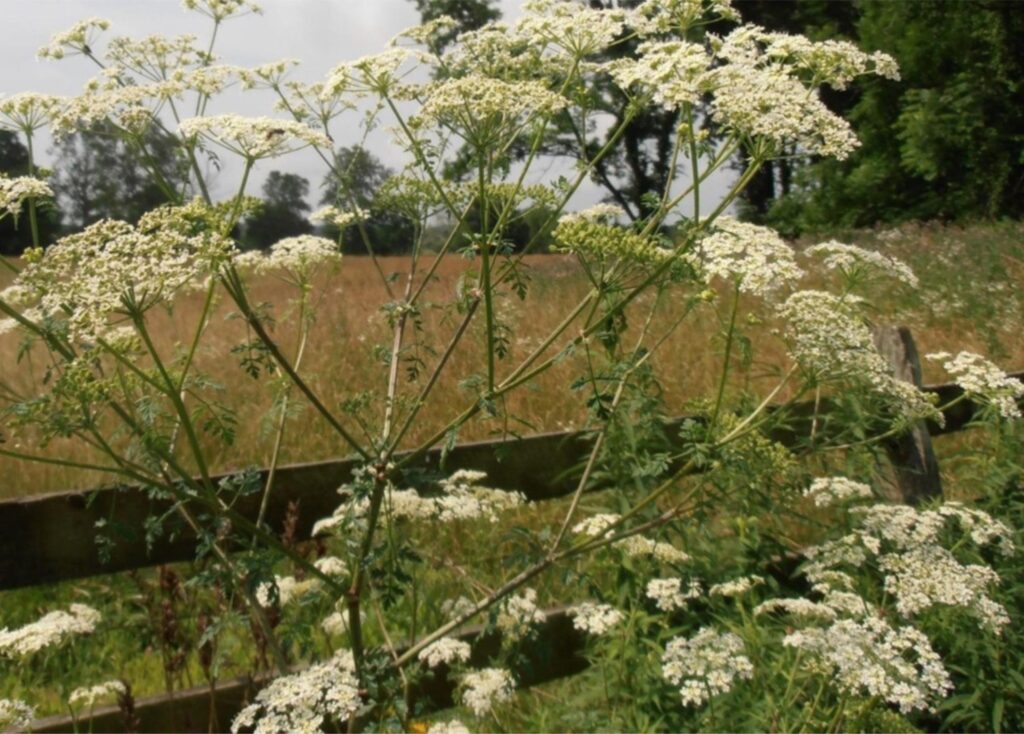
 Poison Hemlock Alert – Help Us Keep the Trails Safe
  How to Identify Poison Hemlock: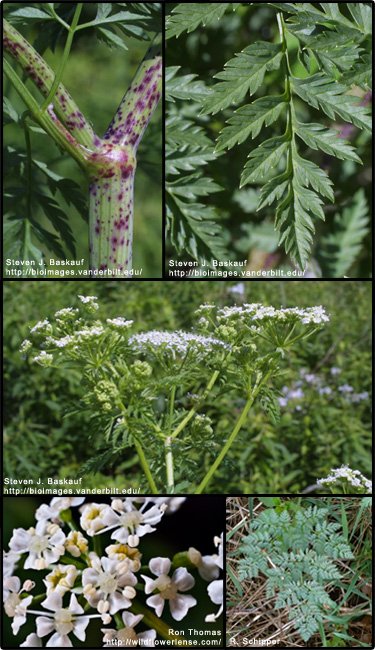
 Safe Removal Guidelines: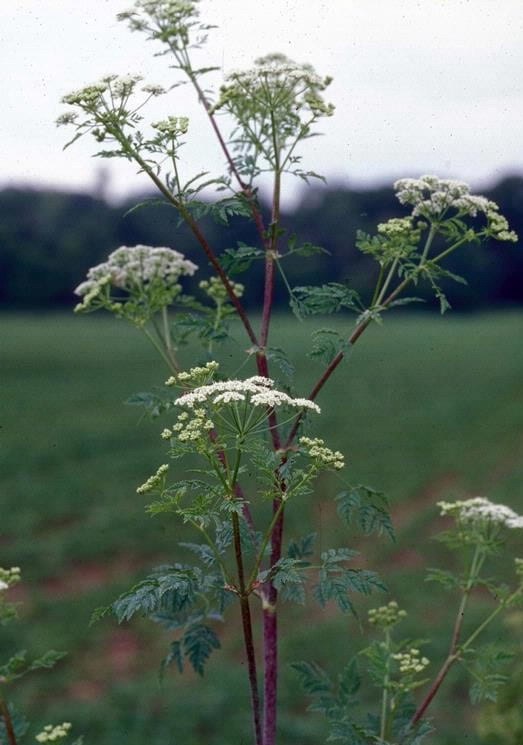
 What Not to Do:

 Ride when trails are either dry or frozen solid (like early morning after a hard freeze).


 Clearing Debris – Rake off leaves, sticks, and loose sediment that have built up over the winter. A clean tread means better drainage and fewer erosion issues down the road.

